
The Science Committee provides scientific leadership for the 4th International Conference on Biology, Geology and Environment of Hadal Trenches. Committee members represent a broad range of expertise spanning hadal biology, geology, biogeochemistry, oceanography and deep-ocean exploration.
Professor Xiaotong Peng
Prof. Xiaotong Peng is the originator and Principal Investigator of the Global Hadal Exploration Programme, which was officially endorsed by the UNESCO Ocean Decade. He also initiated the Hadal Conference series, fostering global collaboration in hadal science.
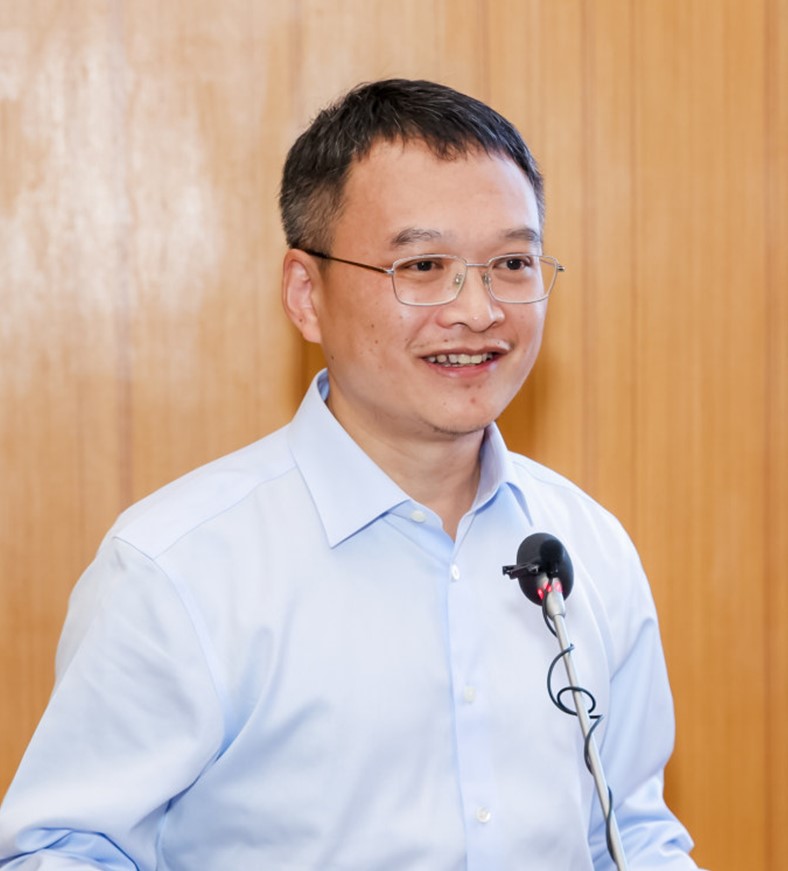
Prof. Xiaotong Peng is a leading deep-sea scientist at the Institute of Deep-Sea Science and Engineering (IDSSE), Chinese Academy of Sciences, with internationally recognised expertise in hydrothermal vents, cold seeps, and hadal trench systems. His research has significantly advanced our understanding of the geological, chemical, and biological processes that govern some of Earth’s most extreme environments, including deep trenches and other abyssal and hadal zones. By employing advanced deep-submergence vehicles and state-of-the-art detection technologies, Prof. Peng has made substantial contributions to multidisciplinary investigations of deep-sea carbon cycling, chemosynthetic communities, geological processes, and the unique environmental characteristics of the planet’s deepest regions.
Dr Mengran Du
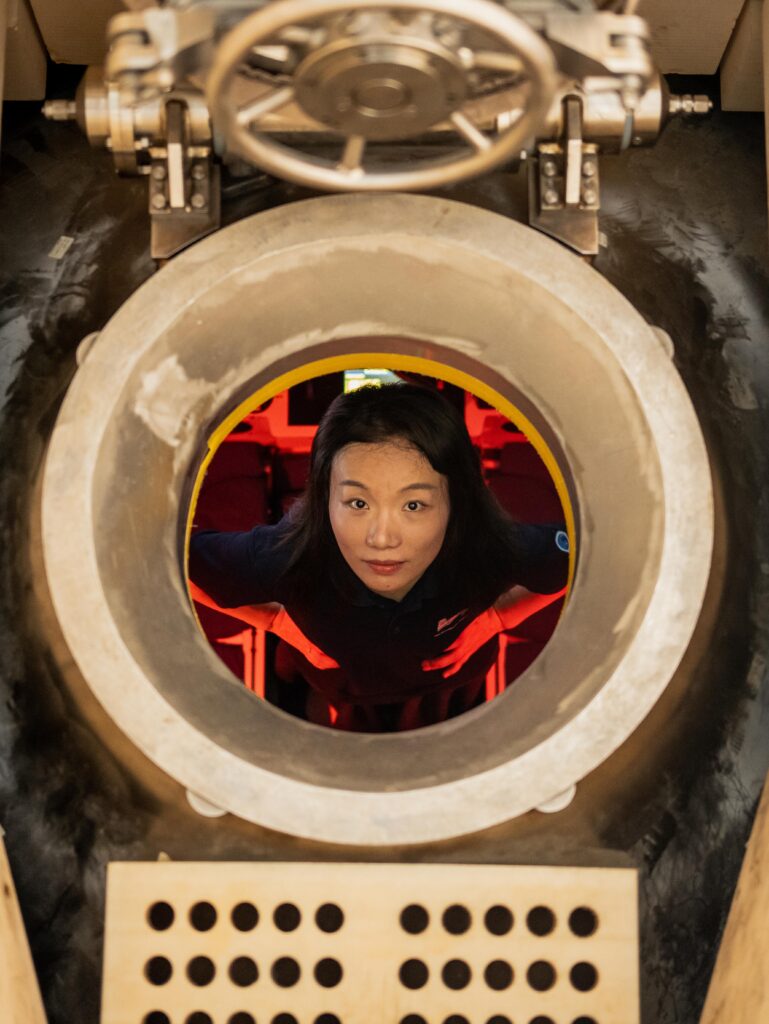
Dr Mengran Du is a deep-sea researcher at the Institute of Deep-Sea Science and Engineering, Chinese Academy of Sciences (IDSSE), whose work focuses on hadal trench ecosystems, deep-ocean biogeochemistry, and the environmental conditions that sustain life in the deepest regions of the ocean. She has played a leading role in major deep-submergence exploration programs and multidisciplinary investigations of trench environments, contributing to advances in our understanding of deep-sea biodiversity, chemosynthetic ecosystems, marine pollution, and biogeochemical cycling. Through a combination of field exploration, submersible-based research, and environmental analysis, Dr. Du has helped reveal how life persists under the extreme conditions of the hadal zone.
Professor Osvaldo Ulloa
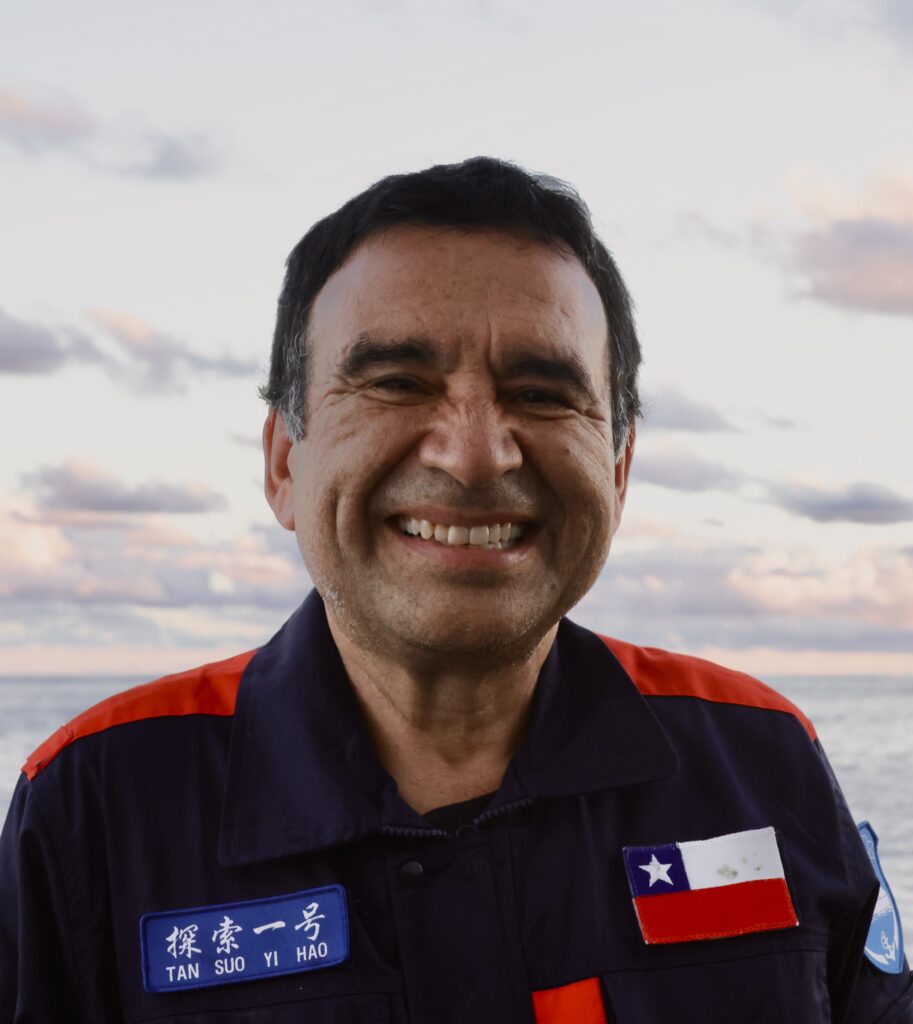
Prof. Osvaldo Ulloa is a Professor of Oceanography at the Universidad de Concepción and Director of Chile’s Millennium Institute of Oceanography. An internationally respected oceanographer, his research has advanced understanding of marine microbial diversity, environmental genomics, and biogeochemical processes in the ocean. In recent years, he has played a leading role in the exploration of the Atacama Trench, helping to reveal the biodiversity, ecological processes, and environmental conditions of one of the least explored hadal ecosystems on Earth. Through his leadership of major deep-ocean research programmes and international expeditions, Prof. Ulloa has been at the forefront of efforts to understand how life and biogeochemical cycles operate in the deepest regions of the Pacific Ocean.
Professor Angelika Brandt
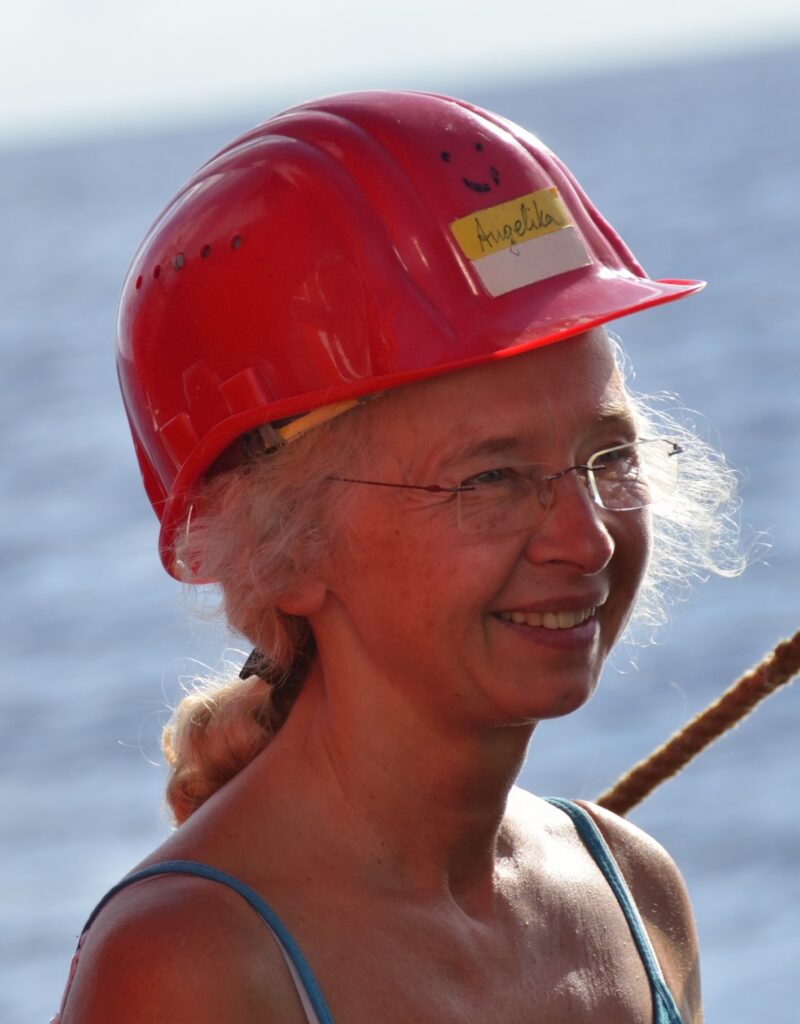
Prof. Angelika Brandt is a marine zoologist at the Senckenberg Research Institute and Goethe University Frankfurt whose research has transformed understanding of biodiversity in the deep ocean and polar seas. Internationally recognised for her expertise in taxonomy, systematics, ecology, and evolution, she has led numerous major deep-sea expeditions and pioneered studies of the distribution, connectivity, and diversification of deep-ocean fauna. Her work combines traditional taxonomy with modern molecular approaches to reveal how species evolve and disperse across some of the most remote habitats on Earth, including abyssal and hadal environments. Through decades of exploration and biodiversity research, Prof. Brandt has made foundational contributions to our understanding of deep-sea ecosystems and the processes that shape life in the world’s ocean trenches.
Professor Ronnie N. Glud
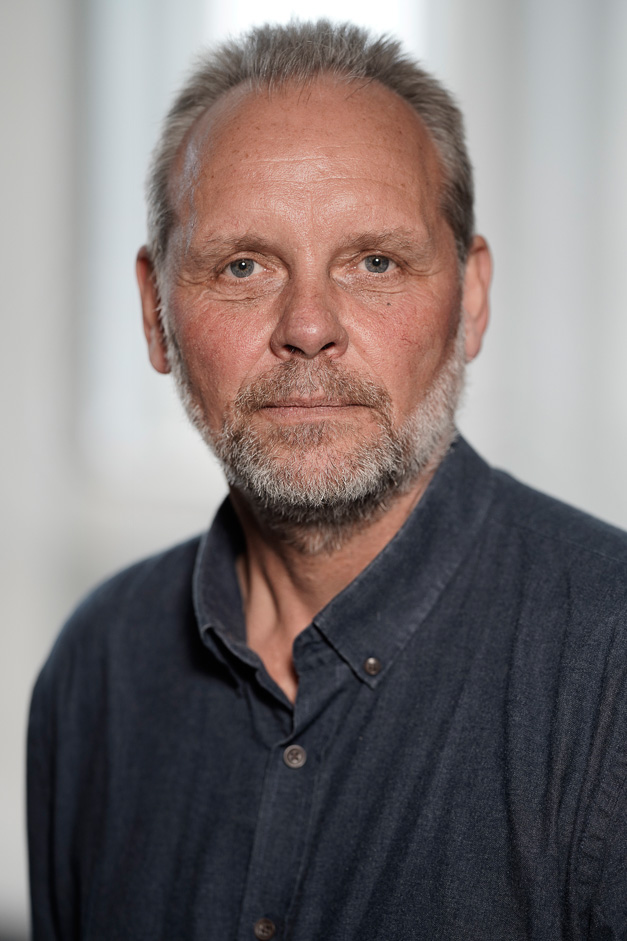
Prof. Ronnie N. Glud is a biogeochemist at the University of Southern Denmark and Director of the Danish Center for Hadal Research (HADAL). Internationally recognised for his work on marine carbon cycling, microbial ecology, and benthic biogeochemistry, he has helped transform scientific understanding of the deepest ocean trenches as dynamic environments with intense biological and geochemical activity. Prof. Glud has pioneered the development of in situ sensing technologies and deep-sea instrumentation that enable direct investigation of hadal ecosystems under extreme pressure conditions. His interdisciplinary research integrates biogeochemistry, microbiology, oceanography, and engineering, making him a leading authority on the processes that govern life and material cycling in the deepest parts of the global ocean.
Associate Professor Heather Stewart
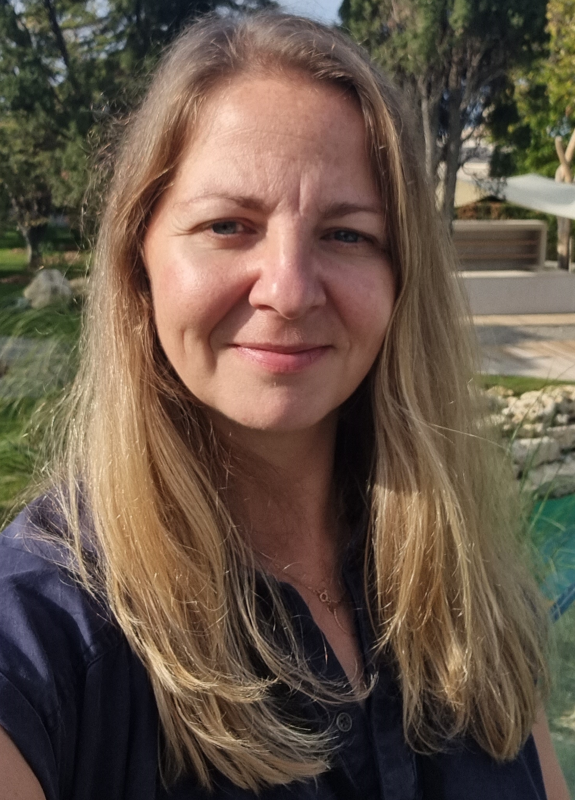
Associate Professor Heather Stewart is a marine geologist, Director of Kelpie Geoscience, and a research scientist for Inkfish. With more than two decades of experience in marine research and exploration, her work focuses on the geology, geomorphology, and sedimentary processes of the deep seafloor, including ocean trenches and other hadal and abyssal environments. She has participated in numerous international expeditions and is widely recognised for her expertise in seabed mapping, geophysical interpretation, and the characterisation of deep-ocean habitats. By combining geological, geophysical, and environmental datasets, Associate Professor Stewart has helped advance understanding of the physical processes that shape the deepest regions of the ocean.
Professor Frank Wenzhöfer
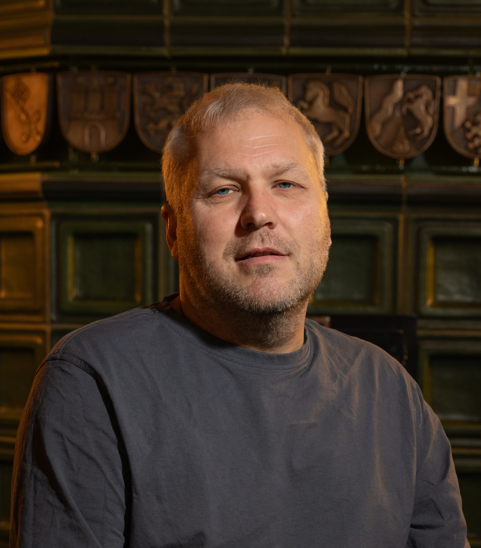
Prof. Frank Wenzhöfer is a marine benthic biogeochemist at the University of Southern Denmark (SDU), a Principal Investigator at the Danish Center for Hadal Research (HADAL), and the head of the Deep-Sea Ecology and Technology group at the Alfred-Wegener-Institute Helmholtz Centre for Polar and Marine Research (AWI). His research focuses on the ecological and biogeochemical processes that govern deep-sea environments, including hadal trenches, hydrothermal vents, cold seeps, and polar ecosystems. He is widely recognised for developing innovative sensor and lander technologies that enable direct measurements of biological activity and carbon cycling on the seafloor. Through pioneering studies of deep-ocean sediment processes and microbial activity, Prof. Wenzhöfer has helped reveal the exceptional biological and biogeochemical dynamics of the world’s deepest marine ecosystems, making him a leading authority on hadal environments and deep-sea ecosystem function.
Professor Alan Jamieson
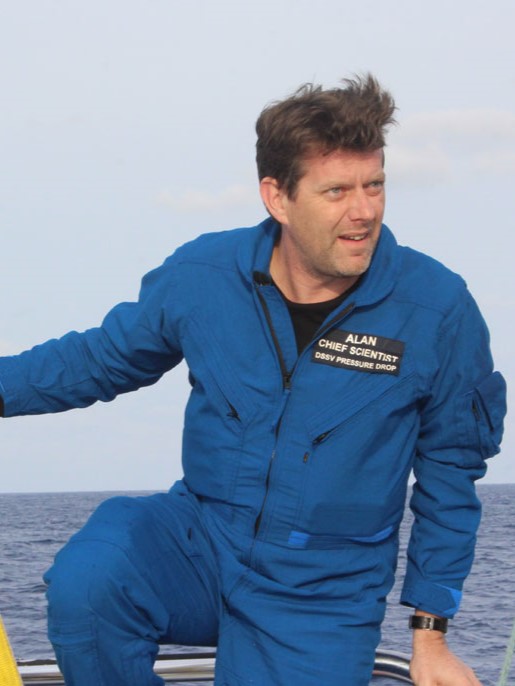
Prof. Alan Jamieson OBE is a deep-sea biologist, explorer, and scientist for Inkfish LLC and lead scientist on the RV Dagon and hadal submersible Bakunawa. Internationally recognised as one of the world’s foremost experts on the hadal zone, his research focuses on the biology, ecology, and exploration of ocean trenches between 6,000 and 11,000 metres depth. Prof. Jamieson has pioneered the development of full-ocean-depth lander systems and has led numerous expeditions to the deepest regions of the Pacific, Atlantic, Indian, Arctic, and Southern Oceans. He has designed and lead major international exploration programmes, helping to transform scientific understanding of trench ecosystems, deep-sea biodiversity, and the environmental processes operating in the deepest marine habitats on Earth.
Dr Daniela Zeppilli
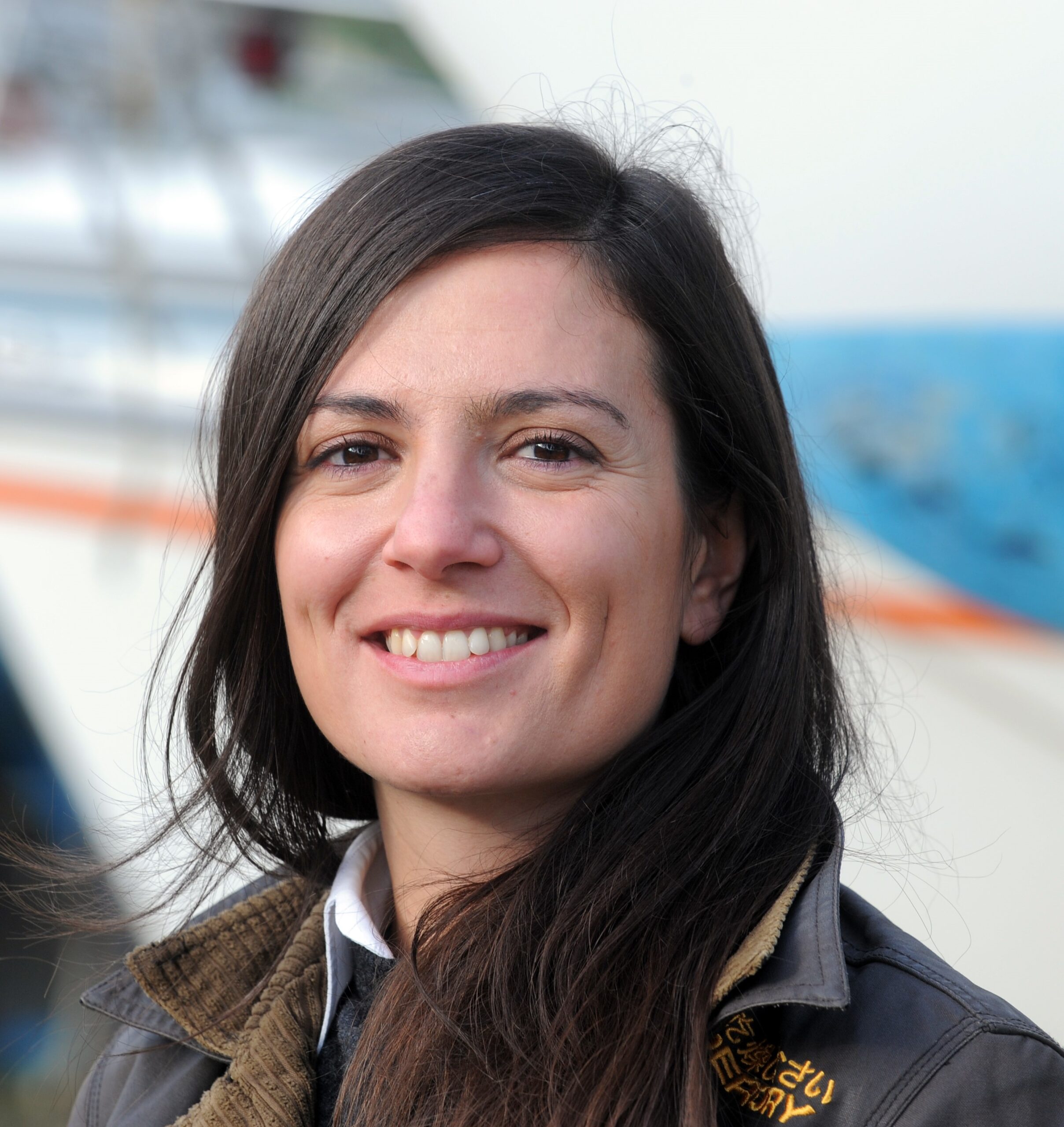
Dr Daniela Zeppilli is Head of the Deep-Sea Lab, LEP/BEEP/REM, at Ifremer. Her research focuses on the biodiversity, ecology, and adaptation of meiofauna – the microscopic animals that form a vital component of deep-ocean ecosystems. Internationally recognised for her expertise in deep-sea nematodes and other sediment-dwelling organisms, she investigates how life persists and evolves in extreme environments, including hadal trenches, hydrothermal vents, cold seeps, and oxygen-deficient habitats. Her work combines morphological, molecular, and environmental approaches to reveal previously hidden dimensions of deep-sea biodiversity and ecosystem function. Through studies of trench communities, deep-sea food webs, and human impacts on the seabed, Dr Zeppilli has advanced understanding of the smallest yet most abundant animals inhabiting the deepest regions of the ocean.
Dr Richard Kellett
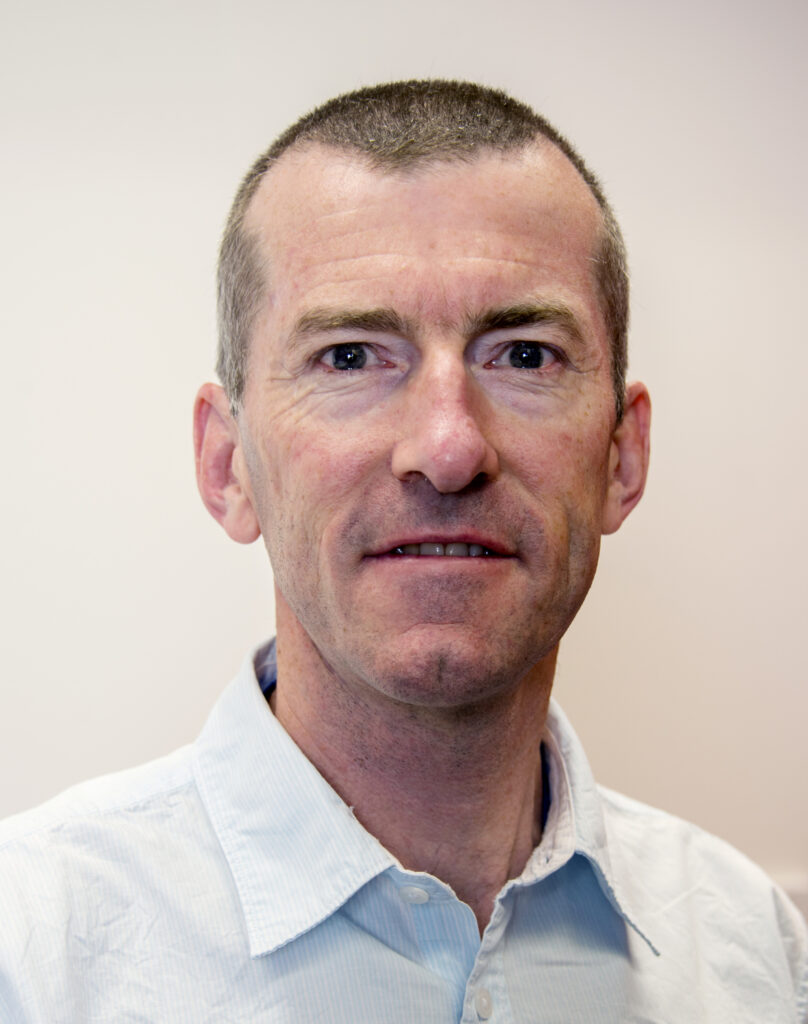
Dr Richard Kellett is a geophysicist at Earth Sciences New Zealand whose expertise spans marine geophysics, seismic imaging, offshore basin analysis, and environmental modelling. His research and applied geoscience work have focused on understanding the structure and processes of the Earth’s subsurface through the use of advanced geophysical techniques, including seismic and electromagnetic methods. Dr Kellett has contributed to major investigations of New Zealand’s offshore geological setting and marine environments, bringing valuable insight into the tectonic, geological, and geophysical processes that shape the deep ocean floor.
Dr Thomas Linley
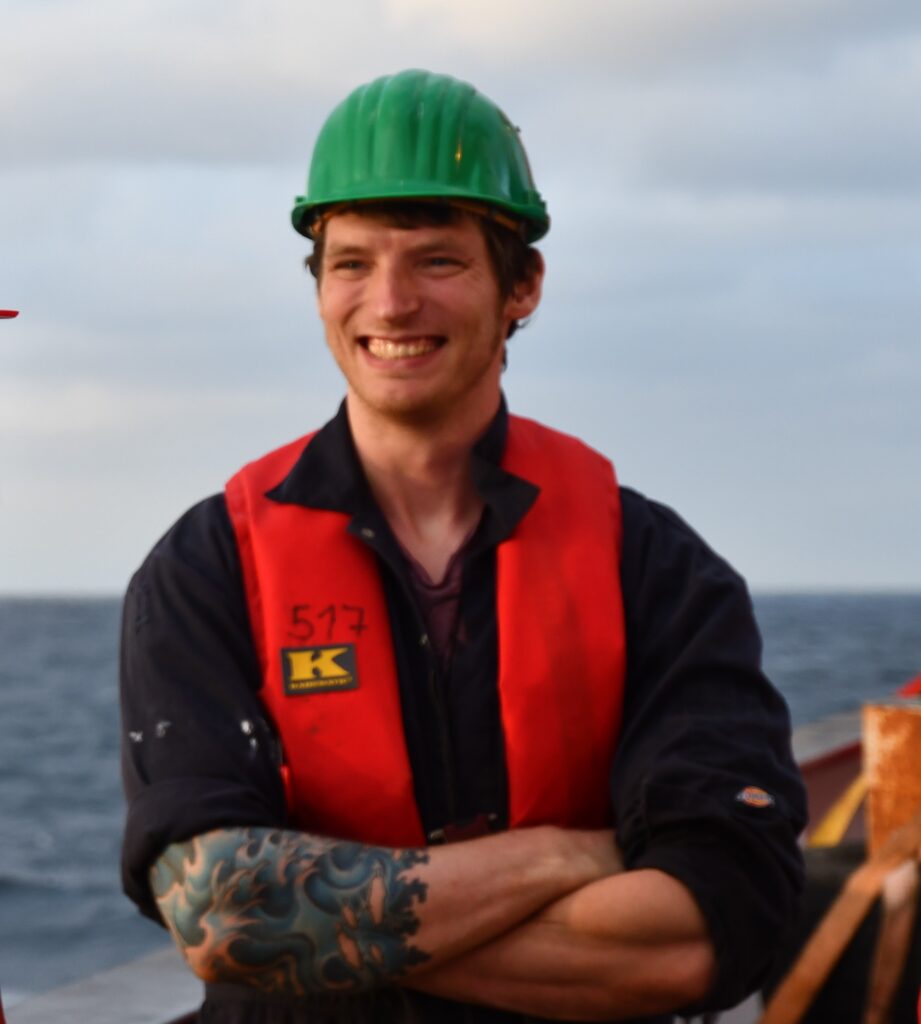
Dr Thom Linley is Curator of Fishes at the Museum of New Zealand Te Papa Tongarewa and an expert in the ecology, distribution, and adaptation of deep-sea fishes. His research focuses on abyssal and hadal species living at depths greater than 4,000 metres, with particular emphasis on trench ecosystems and the environmental factors that shape species distributions in the deep ocean. Dr Linley has extensive experience in seagoing research, deep-ocean imaging, and the development of novel technologies for exploring extreme marine environments. Combining expertise in deep-sea biology, field exploration, and scientific communication, he brings valuable insight into the biodiversity and ecology of the world’s deepest ocean trenches.